By ResumePro™ Editorial Team. Career-search guidance reviewed against ResumePro™'s ATS scoring data and hiring-manager feedback.
Top Tips for a Perfect Job Interview
Learn how to prepare, answer confidently, present yourself well, and follow up after a job interview.

A strong job interview rarely happens by luck. It comes from focused preparation, clear examples, and the ability to show an employer why you are the right fit. Whether your interview is in person, over video, or a multi-round hiring process, the goal is the same: connect your skills to the company’s needs and leave the interviewer with confidence in your ability to do the job. Use these practical tips to prepare, present yourself well, and follow up professionally.
1. Research the Company and Understand the Role
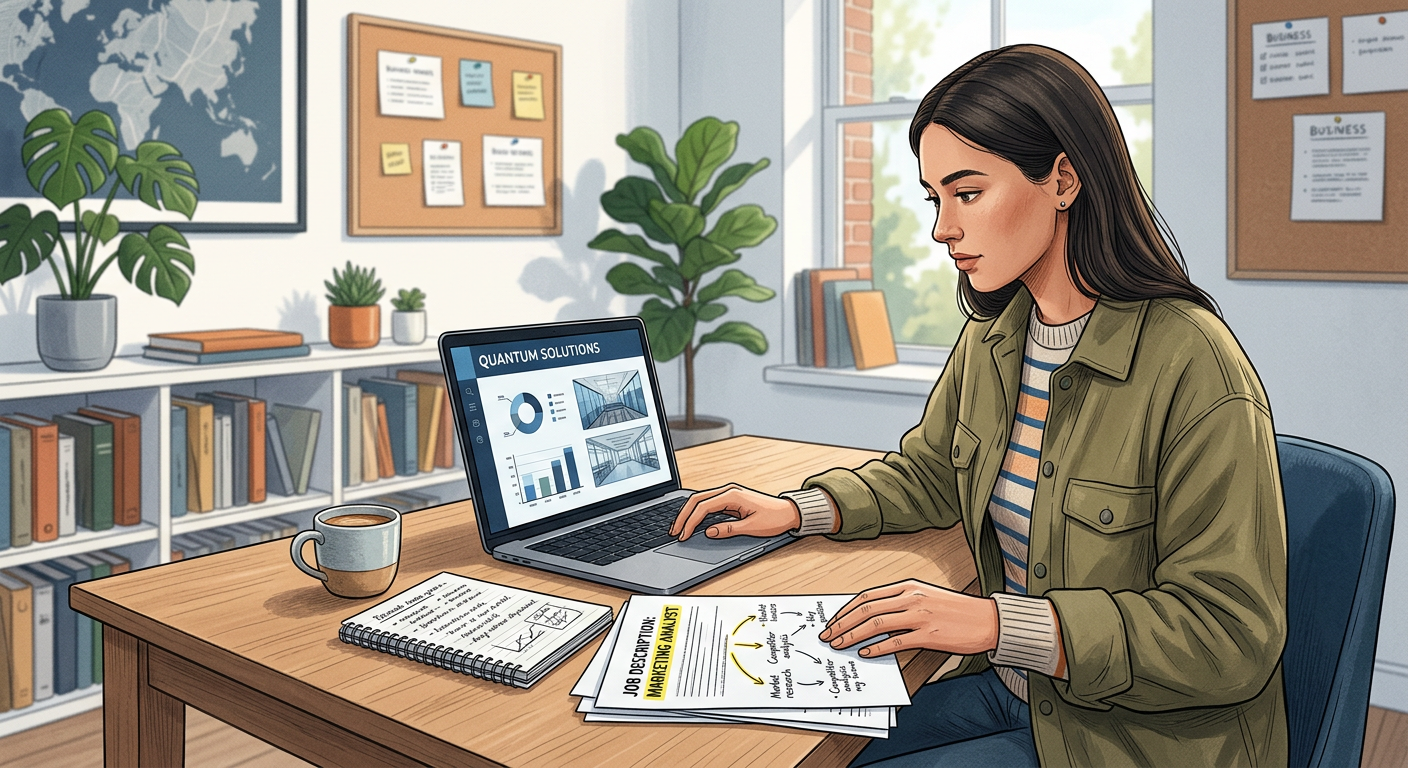
Before you practice answers, learn what the employer actually needs. Start with the company website, LinkedIn page, recent news, product pages, and job description. Look for its mission, services, customers, competitors, and recent changes. This gives you context for your answers and helps you ask better questions.
Read the job posting line by line. Highlight the required skills, repeated keywords, tools, certifications, and responsibilities. Then match each requirement to a specific example from your experience. If the role asks for project management, prepare a story about a project you planned, the obstacles you handled, and the result. If the position emphasizes customer service, prepare an example that shows how you resolved a difficult situation.
Good research also helps you avoid generic answers. Instead of saying, “I’m interested in this company because it has a great reputation,” you can say, “I noticed your team is expanding its small-business solutions, and my experience supporting startup clients would help me contribute quickly.”
Create a one-page interview brief with:
- Three facts about the company
- Three role requirements you can speak to confidently
- Two recent company updates or industry trends
- Five questions to ask the interviewer
- Names and titles of the people interviewing you, if available
This preparation shows genuine interest and helps you sound focused, informed, and ready.
2. Build Strong Answers With Real Examples

Interviewers want proof, not just claims. It is not enough to say you are organized, adaptable, or a strong communicator. You need examples that show those qualities in action.
Prepare for common questions such as:
- “Tell me about yourself.”
- “Why do you want this role?”
- “What are your strengths?”
- “Tell me about a challenge you handled.”
- “Describe a time you worked with a difficult teammate or customer.”
- “Why are you leaving your current job?”
For behavioral questions, use the STAR method:
- Situation: What was happening?
- Task: What were you responsible for?
- Action: What did you do?
- Result: What changed because of your work?
For example, instead of saying, “I improved team communication,” say: “Our support team was missing follow-up deadlines because requests were spread across email and chat. I created a shared tracking sheet, set response categories, and reviewed open items each morning. Within six weeks, overdue tickets dropped by 30%.”
Also prepare a concise response to “Tell me about yourself.” Think of it as your professional story, not your life story. A useful structure is: current role or background, relevant strengths, one achievement, and why this opportunity fits your next step.
Practice out loud. Record yourself if possible. You will catch unclear wording, filler words, or answers that run too long. Aim for answers that are specific, natural, and usually under two minutes unless the interviewer asks for more detail.
3. Make a Professional First Impression

Hiring teams form impressions quickly, so treat the first few minutes seriously. Your goal is to look prepared, act respectfully, and communicate with confidence.
For in-person interviews, plan your route and arrive about 10 to 15 minutes early. Bring multiple printed copies of your resume, a list of references if requested, a notebook, and a pen. If you used AskResumePro to tailor your resume to the job description, print the version that matches the role so your interview stories align with what the employer has already seen.
For video interviews, test your camera, microphone, internet connection, lighting, and meeting link in advance. Choose a quiet place with a simple background. Keep your resume, job description, and notes nearby, but do not read from them word for word.
Dress in a way that fits the industry and company culture. A corporate finance role may call for business professional attire, while a creative startup may be more business casual. When unsure, dress one level more polished than the company’s everyday style. Grooming matters too: clean, neat, and distraction-free is the goal.
Your body language should support your message. Sit or stand with good posture, make natural eye contact, and smile when appropriate. Avoid crossing your arms, checking your phone, or rushing through answers. Listen closely, pause before answering, and respond to the actual question asked.
Professionalism is not about being stiff. It is about making the interviewer feel you are reliable, prepared, and easy to work with.
4. Ask Smart Questions and Follow Up

Near the end of most interviews, you will be asked if you have questions. Always prepare a few. This is your chance to show curiosity, confirm fit, and learn what success looks like in the role.
Good questions include:
- “What would success look like in the first 90 days?”
- “What are the biggest priorities for this role right now?”
- “How does this team usually collaborate?”
- “What challenges is the department trying to solve this year?”
- “How would you describe the company culture?”
Avoid leading with questions about vacation, perks, or remote flexibility unless the interviewer brings them up or you are in a later-stage conversation. Those topics matter, but your first priority is showing that you understand the work and are serious about contributing.
After the interview, send a thank-you email within 24 hours. Keep it short and specific. Mention something discussed in the conversation, restate your interest, and connect one strength to the employer’s needs.
Example:
“Thank you for speaking with me today. I enjoyed learning more about the customer success team’s focus on improving onboarding. My experience creating client training materials and reducing repeat support questions would help me contribute to that goal. I appreciate your time and look forward to next steps.”
Finally, reflect while the conversation is fresh. Write down the questions you were asked, where you felt strong, and where you need better examples next time. Every interview gives you useful data. The more intentionally you prepare and improve, the closer you get to the right offer.
The interview only happens if the resume lands first: how to beat ATS filters and is an ATS resume checker worth it cover that side. How it works shows our tailoring flow and pricing the plans.
Interviews start with getting read in the first place: check your resume with the ATS resume checker, then see the resume builders people are actually using in 2026, how to pick a resume tool, and what a resume service costs.
Frequently Asked Questions
How long should I prepare for a job interview?
At minimum, spend a few hours researching the company, reviewing the job description, preparing examples, and practicing answers. For senior or highly competitive roles, prepare over several days.
What should I bring to an in-person interview?
Bring several copies of your resume, a notebook, a pen, any requested documents, and a list of references if the employer asked for one.
How do I answer behavioral interview questions?
Use the STAR method: explain the situation, your task, the action you took, and the result. Focus on examples that relate to the job requirements.
Should I send a thank-you note after every interview?
Yes. A brief thank-you email within 24 hours is a professional way to show appreciation, reinforce your interest, and remind the interviewer of your fit.